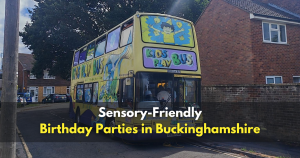
Sensory-Friendly Birthday Party Ideas in Buckinghamshire: Planning a Party Every Child Can Enjoy
Every parent wants their child’s birthday to feel special but for families with a child who has sensory sensitivities, autism, SEND (special educational needs and disabilities), or who simply finds loud, crowded, unpredictable environments overwhelming, “special” often has to mean something different from the standard party formula. A packed hall, booming music, flashing lights and forty over-excited children isn’t a treat for every child for some, it’s the opposite.
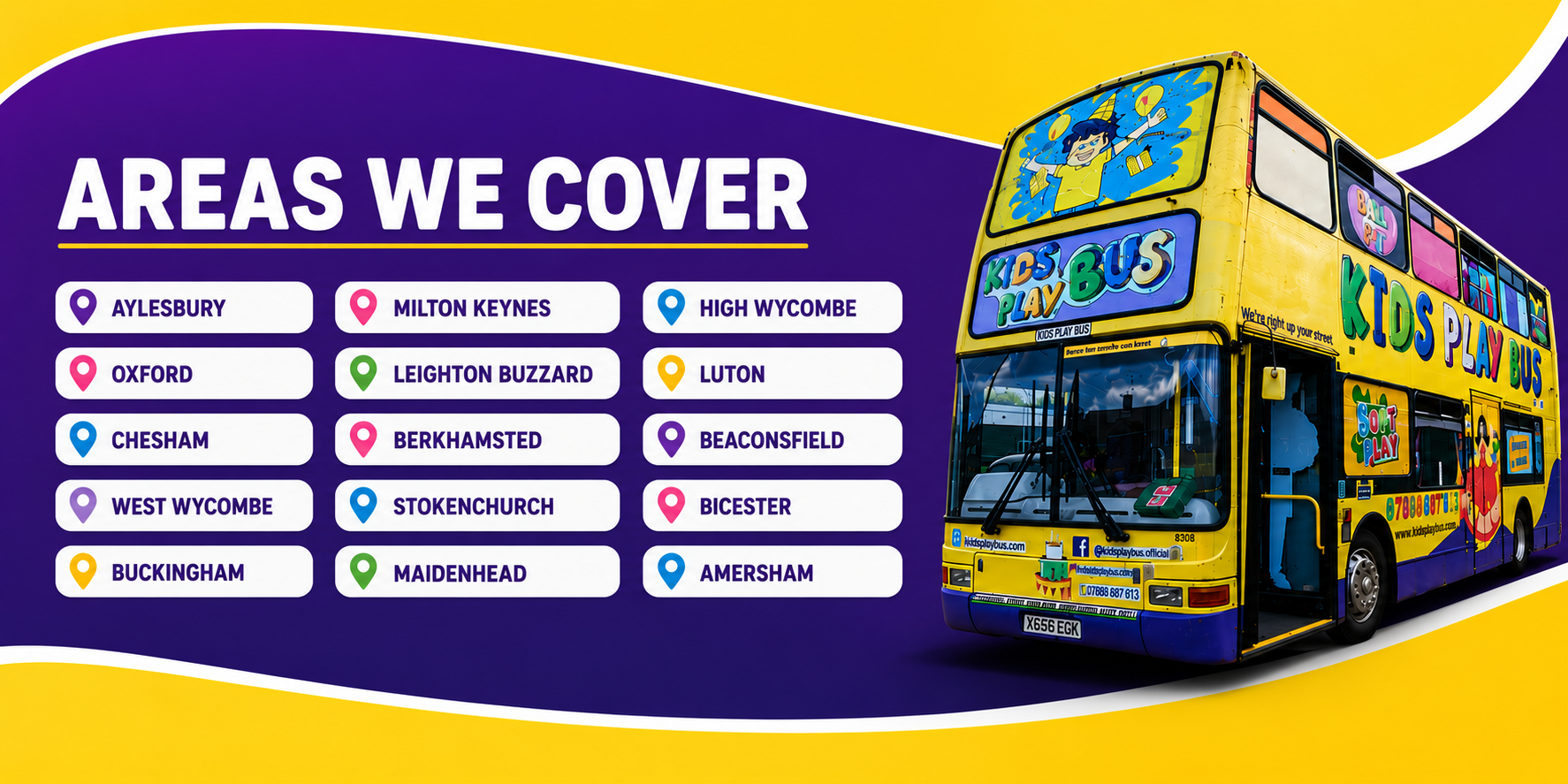
This guide is written with families across Buckinghamshire in mind Aylesbury, Thame, Bicester, Winslow, Milton Keynes, High Wycombe, Amersham, Chesham and the surrounding areas where finding local, accommodating party options isn’t always easy.
This guide isn’t written from a clinical or medical standpoint we’re not specialists in SEND care, and every child’s needs are different, so nothing here should replace advice from someone who knows your child. What it does offer is practical, on-the-ground planning advice: the kind of thing that makes the genuine difference between a party your child enjoys and one they need recovery time from afterwards.
Why Standard Party Formats Can Be Difficult
Most children’s parties are built around the same core ingredients: lots of noise, a big group of children (many unfamiliar), bright lighting, unpredictable timing, and an expectation that everyone joins in with the same activity at the same time. For a child with sensory sensitivities, several of these ingredients can be genuinely difficult to manage at once:
- Noise a room full of excited children, loud music, and sudden sounds (balloon pops, whistles, group singing) can be overwhelming rather than fun
- Crowding large, unfamiliar groups in an open space can be disorientating
- Lighting flashing, strobing, or very bright lighting can be uncomfortable or overstimulating
- Unpredictability not knowing what’s coming next, or having no way to opt out of an activity, can raise anxiety
- No escape route a busy public venue rarely has anywhere quiet to retreat to if things become too much
None of this means a party isn’t possible it means the planning needs to actively account for these factors rather than assuming a “one size fits all” party format will work.
Practical Adjustments That Make a Real Difference
1. Choose a Private Space Over a Public One
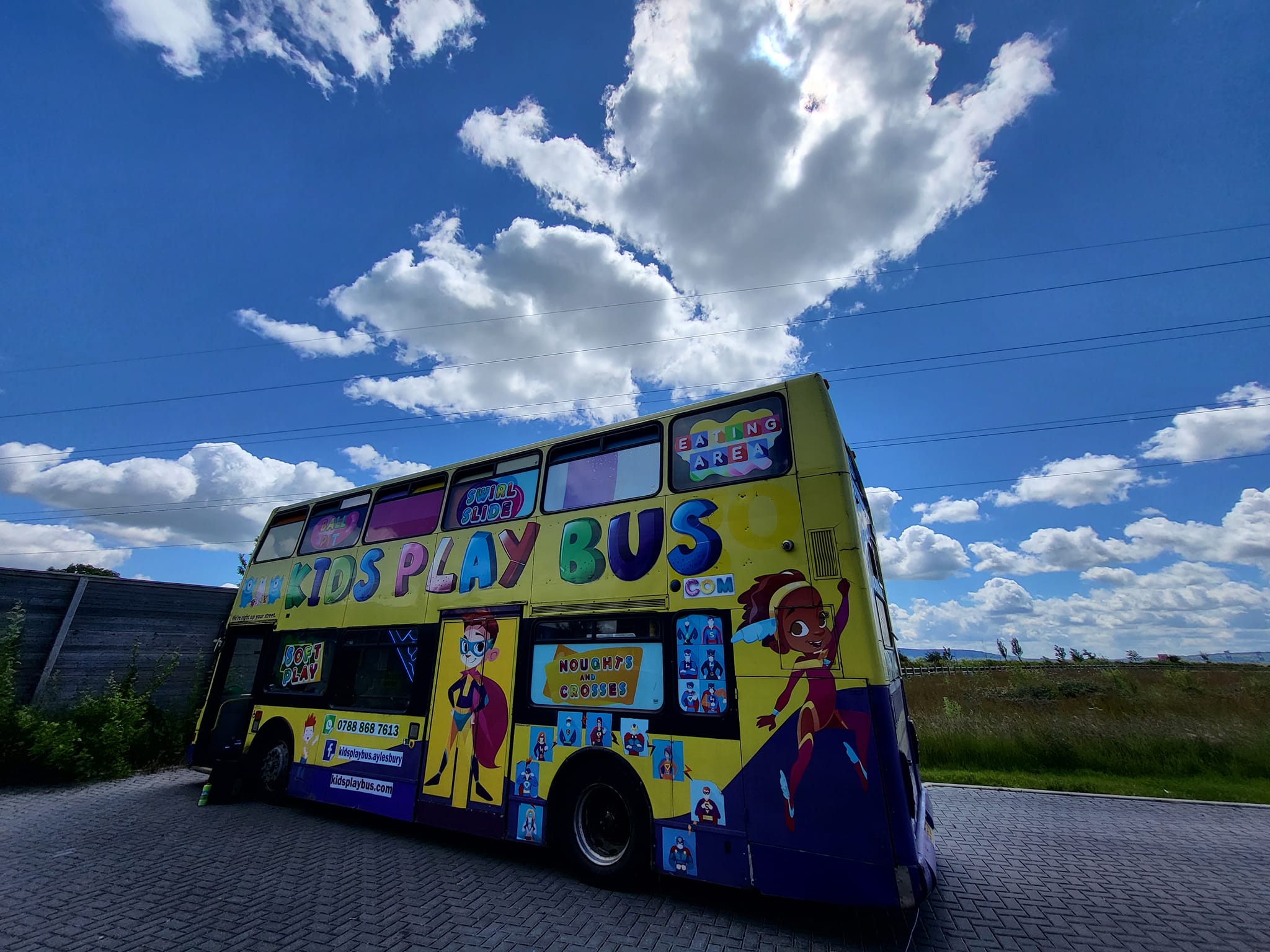
A public soft play centre, however good, is shared with strangers other families’ noise, movement, and unpredictability are outside your control. A private venue, whether that’s your own home, garden, or a booked space exclusively for your guests, removes an entire layer of unpredictability. Your child knows exactly who will be there, and there’s no risk of an unfamiliar, overstimulating crowd arriving mid-party.
2. Keep the Guest List Smaller and Familiar
A smaller group of children your child already knows and feels comfortable around is almost always easier to manage than a large group, even if some of those larger groups are well-intentioned “everyone’s invited” gestures. Quality of comfort tends to matter more than quantity of guests.
3. Build in a Quiet Space, No Exceptions
Whatever the venue, designate a specific, clearly understood quiet area a corner with cushions, dim lighting, and no expectation to participate that your child (and any other sensitive guests) can retreat to at any point without needing to explain why. Knowing that space exists in advance often reduces anxiety even if it’s barely used on the day.
4. Give Advance Warning, Not Surprises
Where possible, let your child know what to expect beforehand who’s coming, roughly what will happen and when, and that they can step back from any activity at any time. Predictability is one of the most effective tools for reducing party-day anxiety, far more than trying to make the day itself as exciting or surprising as possible.
5. Control the Volume and Lighting
Ask any entertainer, venue, or service provider directly whether music volume and lighting can be adjusted. Many will happily turn things down or use warmer, steadier lighting instead of flashing effects if you simply ask in advance it’s rarely a problem, but it is rarely offered proactively either, so don’t assume it isn’t an option.
6. Let Activities Be Optional, Not Mandatory
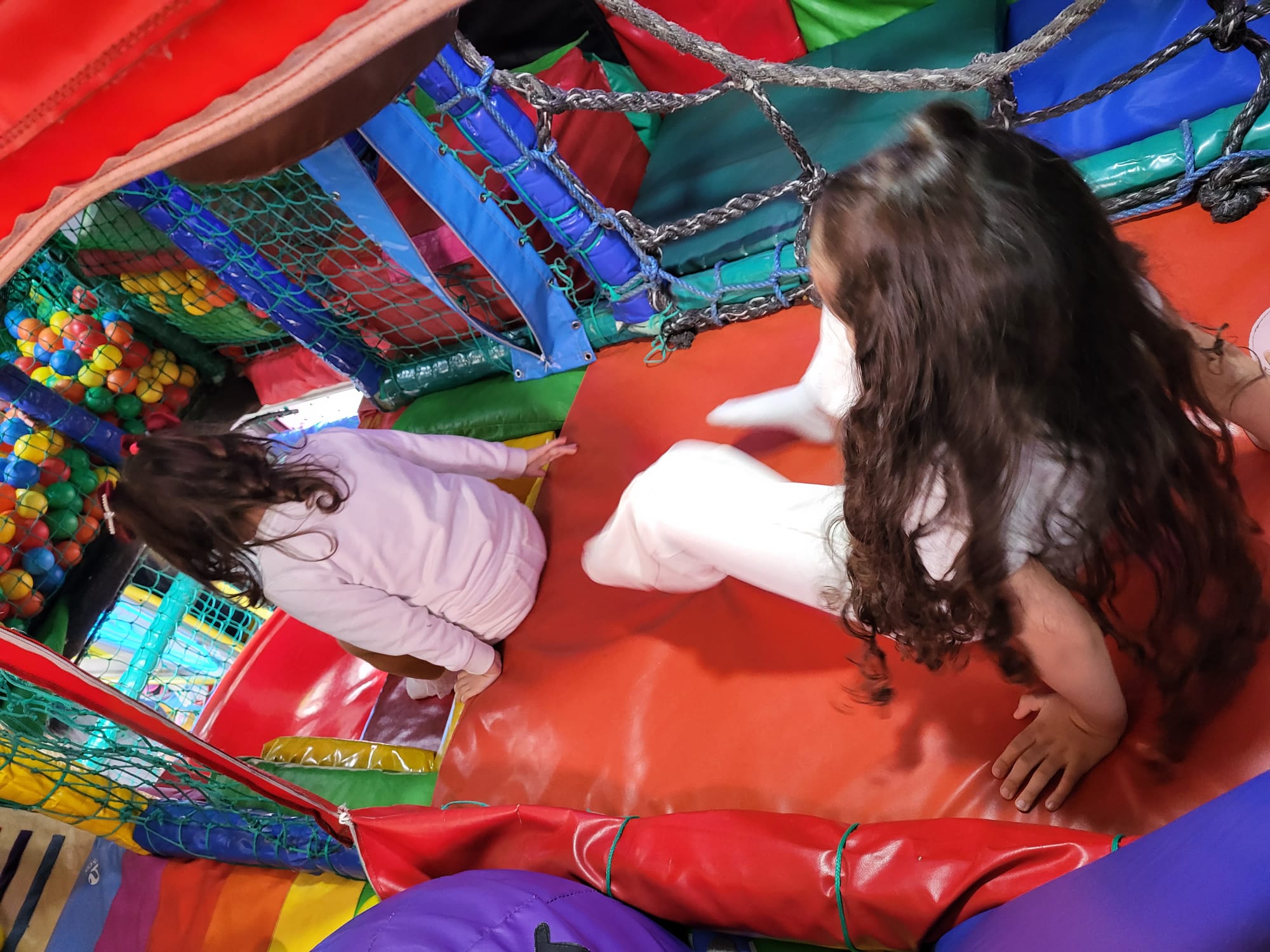
Group games that require everyone to participate at once (musical chairs, pass the parcel, structured relay games) can be genuinely stressful for a child who needs to opt out without feeling singled out. Free-play formats where children can join in, step back, or explore at their own pace tend to work far better, because there’s no moment where a child is visibly “not joining in.”
7. Prepare Food and Textures Thoughtfully
Sensory sensitivities often extend to food texture, smell, and unfamiliar dishes can be as overwhelming as noise or crowding for some children. Sticking to familiar, simple foods your child already likes, rather than an elaborate themed menu, avoids adding another layer of stress to the day.
Talking to Entertainment and Venue Providers
Most legitimate children’s entertainment providers are genuinely happy to accommodate reasonable adjustments but they can only do so if you ask directly and in advance, rather than hoping it’ll naturally work out on the day. Useful questions to ask before booking:
- Can the music volume and lighting be adjusted or kept low?
- Is the space private, or shared with other families?
- Is there a quiet area available, or can one be set up?
- Can activities be free-play rather than structured group games?
- How flexible is timing if my child needs breaks or a slower pace?
A provider’s willingness to answer these clearly and without hesitation is often a good sign of how accommodating they’ll actually be on the day.
Why a Private, Enclosed Space Can Work Particularly Well
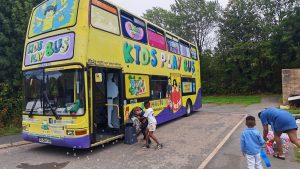
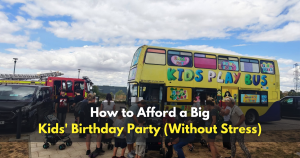
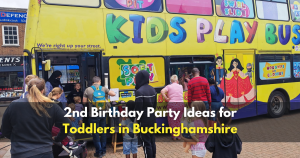
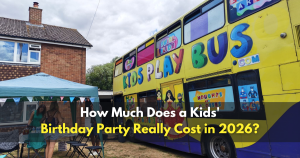
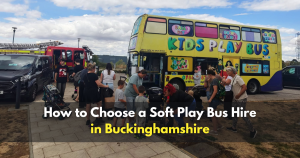
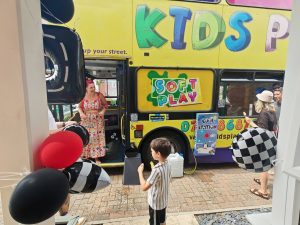
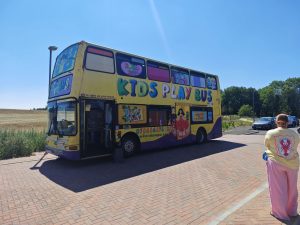
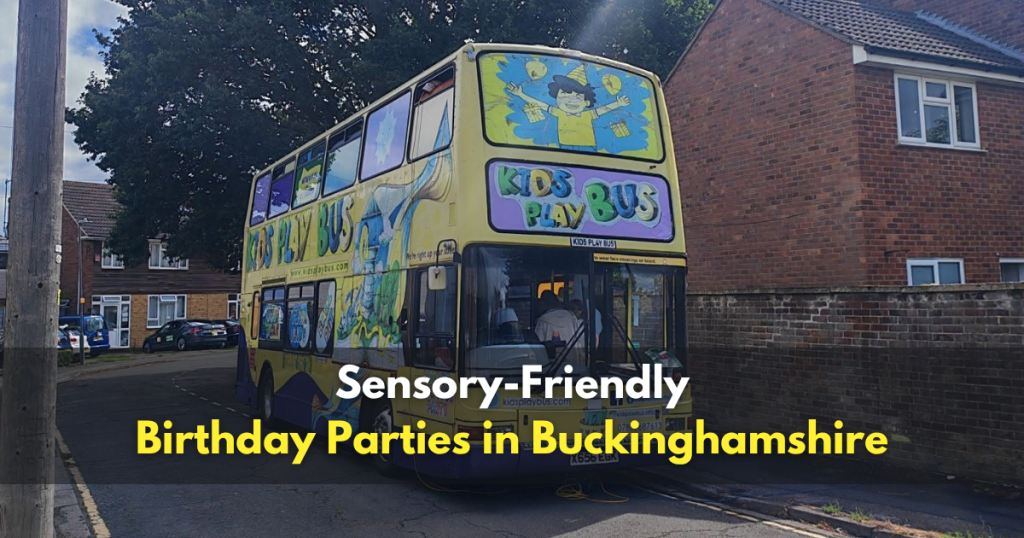
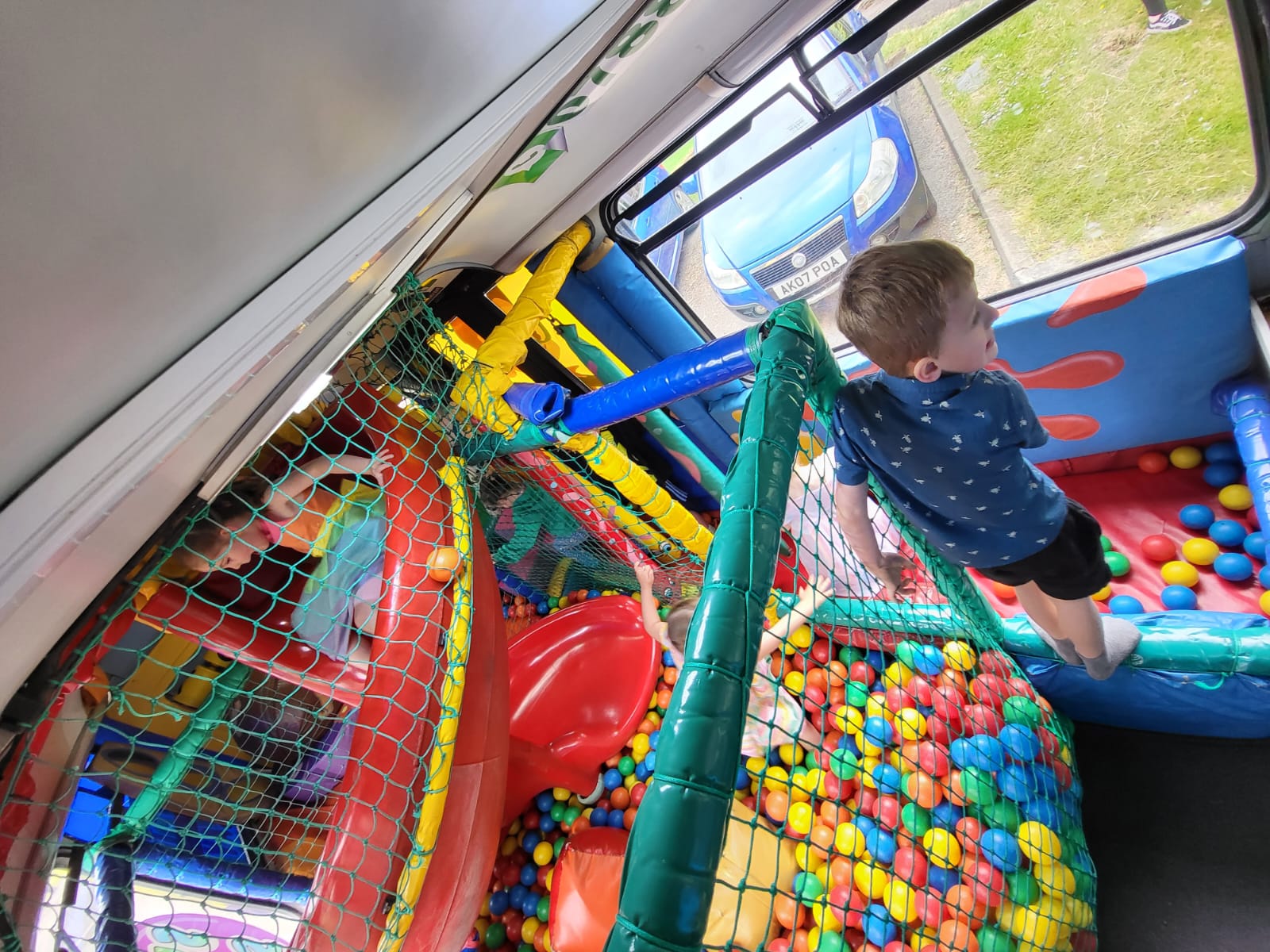
A private, self-contained venue such as a soft play bus parked at your own home naturally addresses several of the points above without needing much extra adjustment. It’s an enclosed, familiar setting rather than an open public hall; the guest list is entirely within your control; the noise stays contained rather than echoing through a large open venue; and there’s a defined area with places to sit apart from the main play zone if a break is needed.
At KidsPlayBus, we’re happy to talk through adjustments in advance whether that’s keeping music lower, giving extra flexibility around timing, or simply understanding your child’s needs before the day so our team knows what to expect. We won’t get everything perfect for every child, because every child’s needs are different, but we’d rather have that conversation upfront than assume.
A Simple Planning Checklist
- Choose a private rather than public venue where possible
- Keep the guest list smaller and familiar
- Set up a designated quiet space in advance
- Talk to your child beforehand about what to expect
- Ask providers directly about volume, lighting, and flexibility
- Choose free-play activities over mandatory group games
- Stick to familiar food and simple textures
- Build in more time than you think you need no rushing
Final Thoughts
A sensory-friendly party isn’t a scaled-down version of a “normal” one it’s simply a party planned with more intention around noise, crowding, predictability, and choice. Most of the adjustments above cost nothing extra; they just require asking the right questions before you book, rather than hoping things work out on the day.
If you’re planning a party in Buckinghamshire and want to talk through what adjustments would help your child feel comfortable, get in touch with KidsPlayBus directly we’re happy to have that conversation before you book, not just on the day.
Frequently Asked Questions
Can party entertainment be adjusted for a child with sensory sensitivities? Many providers can adjust music volume, lighting, and activity structure if asked in advance it’s worth contacting them directly before booking to confirm what flexibility is available.
Is a private venue better than a public one for a sensory-sensitive child? Often, yes a private space removes the unpredictability of shared, public venues, since the guest list, noise level, and environment are entirely within your control.
What should I tell an entertainment provider in advance? It helps to mention your child’s specific needs sensitivity to noise or lighting, preference for free-play over structured games, or the need for a quiet space so the provider can prepare rather than adjust on the spot.
Do sensory-friendly adjustments cost more? Not usually most adjustments (lower volume, optional activities, a quiet corner, familiar food) are about planning choices rather than paid extras.